

Water Glassing Gone Wrong

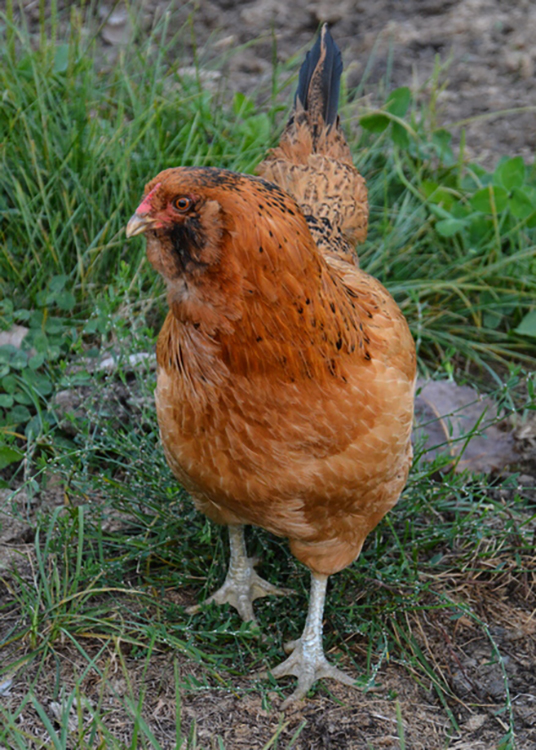
We have been keeping hens for over a dozen years now. They are charismatic, affectionate and endlessly entertaining pets, in addition to providing an abundance of delicious, healthy and organic eggs.
Chickens have a few downsides. For one thing, everything wants to eat chickens. Even when you do your best to keep them safe, you will find a new predator that loves chicken. We have lost them to hawks, raccoons, coyotes, foxes, bobcats, and local farm cats. One year, a family of Coopers hawks made its home in one of our cedar trees and those baby hawks were awful in their adolescence. It just breaks your heart. In our part of the world, caring for them in the winter can also present challenges, mostly in ensuring that their water does not freeze.
When you have a lot of young hens, they produce a ton of eggs in the summer. Last year, I decided to try water glassing eggs, which is a traditional method of preserving fresh, unwashed eggs so they can be safely stored for many months—sometimes up to a year—without refrigeration.

Marilyn, a Buff Orpington from our first flock. 
Minnie Pearl, a Pearl White Leghorn 
Cersei Chickenster. She is an Easter Egger. 
Primrose is my favorite hen. She is a Cream Legbar. 
Fennel is much prettier in real life. She is a Plymouth Rock hen. 
Esme has always had a very fierce look to her. She is also an Easter Egger. 
Jewel is our Jubilee Orpington. 
Another photo of Jewel. 
Penguin is an Exchequer Leghorn 
Primrose being sassy 
Ivy, a Golden Copper Marans hen.
Water glassing is done by submerging the eggs in a mixture of water and pickling lime (calcium hydroxide). The lime water creates a highly alkaline environment that seals the porous eggshells and prevents air and bacteria from entering.

The eggs must be unwashed and ideally fresh from the hen, since the natural protective coating (called the bloom or cuticle) helps keep them safe. Washed or store-bought eggs generally won’t work, since they’ve lost that protective barrier.
Before refrigeration, water glassing was a common way to keep eggs available through winter when hens stopped laying. Properly water-glassed eggs are supposed to remain nearly as fresh as when laid, unlike refrigerated or frozen eggs, which change in texture.

When you use the eggs, you remove them from their solution with tongs, rinse them, and then crack and cook as usual. At least, that is the way it is supposed to work. I will call my first attempt at water glassing a failure, and it discouraged me from trying again in the short term. I may try again next summer.

I am pretty sure that the eggs are not supposed to be weirdly discolored like the one above. Even though it did not smell off, I threw all of them out.
So, I am back to the drawing board to see if I can figure out what mistakes I made in my first water glassing attempt. My current flock is over five years old, so their egg production has slowed way down and we did not have a surplusage of eggs this summer. I think learning to properly water glass is an important skill to have, so next year I will try again.
 PREVIOUS POST
Peanut Butter Cinnamon Dog Biscuits (sourdough starter optional)
September 13, 2025
PREVIOUS POST
Peanut Butter Cinnamon Dog Biscuits (sourdough starter optional)
September 13, 2025


